• Arabic (اللغة العربية)
    Maps Quality Assurance Unit Library Services Gallery Contact Us

    Faculty of medicine, Mansoura University, EgyptFaculty of medicine, Mansoura University, EgyptFaculty of medicine, Mansoura University, Egypt

    • Home
    • About Us
      • About Faculty
        • Faculty History
        • Strategic plan
        • Strategic Goals
        • Mission and Vision
        • Organizational Chart
      • Administration
        • Dean of the College
        • Vice Dean for Education and Students Affairs
        • Vice Dean for Graduate Studies
        • Vice Dean for Community Service and Environmental Development
      • Previous administrations
        • Deans
        • Vice Dean for Education and Students Affairs
        • Vice Dean for Community Service and Environmental Development
    • Scientific Departments
      • Academic Departments
        • Human Anatomy and Embryology
        • Medical Education
        • Histology
        • Medical Physiology
        • Medical Biochemistry
        • Clinical pharmacology
        • Medical Microbiology and Immunology
        • Medical Parasitology
        • Anatomic pathology
      • Clinical Departments
        • Anesthesia, Surgical Intensive Care, and pain management
        • Cardiology
        • Cardiothoracic Surgery
        • Dermatology and Andrology
        • Otorhinolaryngology Head and Neck Surgery
        • Forensic medicine and Toxicology
        • General Surgery
        • Neurology
        • Neurosurgery
        • Plastic Surgery
        • Tropical Medicine
        • Vascular and Endovascular Surgery
      • Clinical Departments
        • Clinical Oncology and Nuclear Medicine
        • Ophthalmology
        • internal diseases
        • Clinical Pathology
        • Orthopedic Surgery
        • Obstetrics and Gynecology
        • Pediatrics
        • Public Health & Community Medicine
        • Psychiatry
        • Physical Medicine, Rheumatology and Rehabilitation
        • Radiology
        • Chest
        • Urology
    • Sections
      • Students Affairs
        • Policies and Strategies for College
        • Mansoura Manchester Program
        • Download Documents
        • Mansoura Students Scientific Association
        • Log Book
        • Ultrashort Essay
      • Community Services and Environmental Development
      • Post Graduate and Research
        • Master Degree
        • PHD Degree
        • Course Specification
        • Institutional Research Board
        • Mansoura Medical Journal
        • Post Graduate by Laws
    • Centers and units
      • Centers
        • Gastrointestinal Surgery Center
        • Medical Experimental Research Center
        • Oncology Center
        • Urology and Nephrology Center
        • Children's University Hospital
        • Specialized Medical Hospital
        • Al Mansoura University Hospital
        • Burn and Plastic Surgery Center
      • Units
        • International Students Unit
        • Sleep Disordered Breathing Unit
        • Mansoura Medical Alumni Association
        • Microbiology Diagnostic Infection Control Unit
        • Mansoura Intensive Care Club
        • Immunology Unit
        • Measurement and Evaluation Unit
      • Laboratories
        • Lab Reference programe
        • Toxicology Lab
    • Staff
      • Academic data system for faculty members
      • Mansoura University email
      • Award Winners
      • core-books

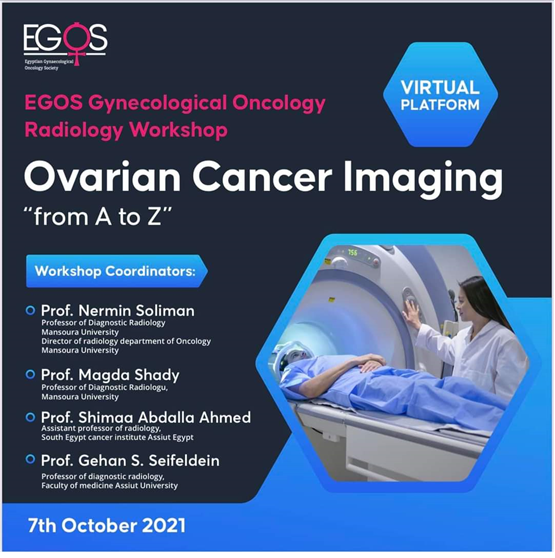
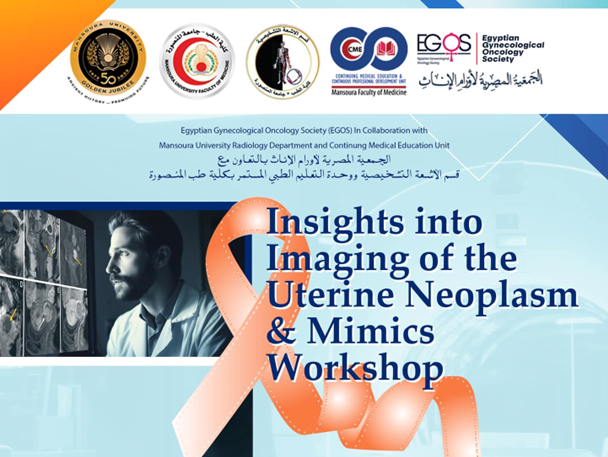
    Insights into imaging of uterine neoplasms and mimics

    We are honored to invite all interested colleagues to attend the radiology workshop on uterine tumors entitled:
    Insights into imaging of uterine neoplasms and mimics
    This was on Thursday, February 15, at the Hewar Club in Mansoura.

    In cooperation between the Egyptian Gynecological Oncology Society and the Department of Diagnostic Radiology at Mansoura Medicine.
    to sign up :

    https://forms.gle/NQboZ9tDjDPdauym6

    Contact Us

    Our E mail:  This email address is being protected from spambots. You need JavaScript enabled to view it.
                        This email address is being protected from spambots. You need JavaScript enabled to view it.

    Facebook: https://www.facebook.com/Mansoura-Radiology-department-official-105305771921153

    Gallery


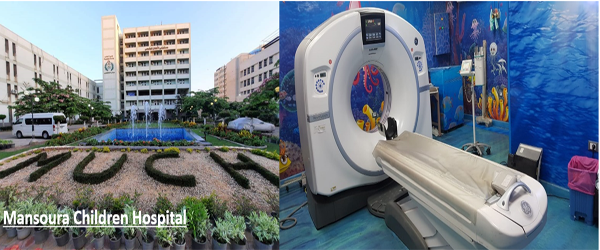
    Gallery of Hospitals

       
    Picture2    


    Gallary for scientific activities     
    1    


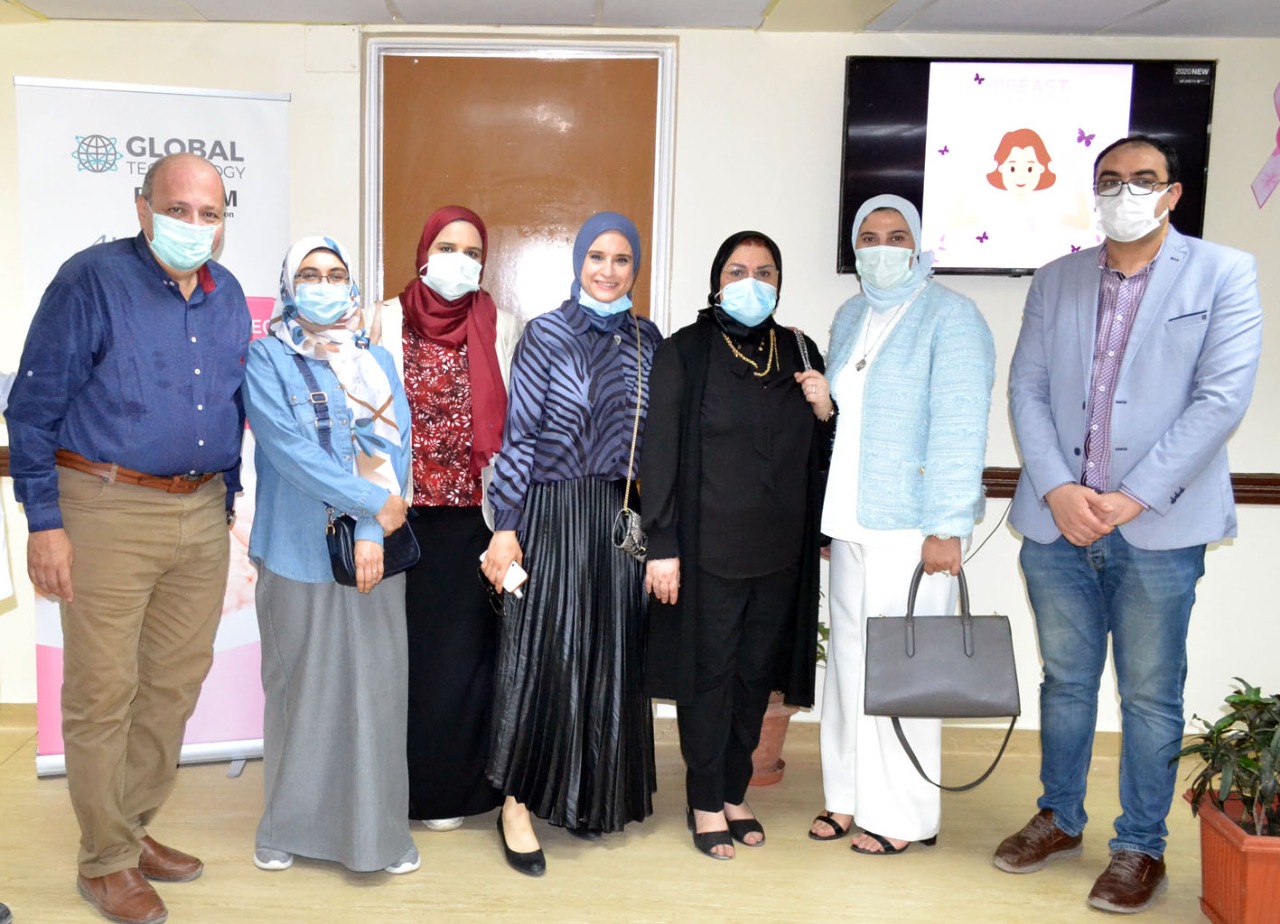
    Inauguration of the Women's Medical Imaging Unit at Mansoura University Hospital

    Tuesday, 29/6/2021, Prof. Dr. Ashraf Abdel Basset, President of Mansoura University, accompanied His Excellency:

    Prof. Dr. Tamer Abu El-Saad,Acting Dean of the Faculty of Medicine, and Prof. Dr. Mohamed Hegazy, Executive Director of Hospitals and Medical Centers And Professor Dr. Al-Shaarawy Kamal Musa, Director of Mansoura University Hospital Prof. Dr. Wael Zakaria, Deputy Director of the Hospital, Prof. Dr. Wissam Fathy, Director of Economic Therapy, and Prof. Dr. Ahmed Abdel Khalek, Head of Diagnostic Radiology Department, Prof. Dr. Hala El-Shenshawy, Head of the Department of Oncology and Nuclear Medicine, Prof. Magda Allam, Professor of Oncology and Nuclear Medicine, Dr. Ashraf Shoma, Head of Department of department 7 Surgery, and Prof. Mahmoud Abdel Aziz, Head of Tropical Diseases Department Inauguration of the Women's Medical Imaging Unit Which contains a digital mammogram and a high-quality ultrasound that includes a linear ,deep and 4D probs.

    Completion of the radiology department system in the three new medical centers at Mansoura University


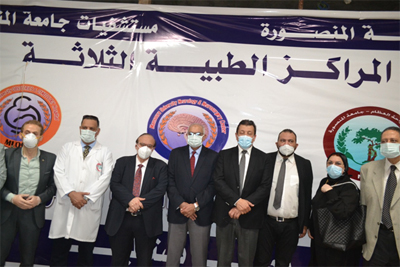
    Prof. Dr. Ashraf Abdel Basset, President of Mansoura University, inaugurated Tuesday, June 29, 2021 new medical units in a number of hospitals and medical centers, coinciding with the celebrations of the June 30 revolution.

    In the presence of Prof. Dr. Tamer Abu El-Saad, Acting Dean of the College of Medicine and Chairman of the Board of Directors of Hospitals and Medical Centers, Prof. Dr. Mohamed Hegazy, Executive Director of Hospitals and Medical Centers

    Where the second floor was received and the opening of the radiology department was completed in the three new medical centers (Neurology & Neurosurgery Center, Orthopedic Center, and Obstetrics and Gynecology Center).

    In the presence of Prof. Dr. Wael Zakaria, Director of the New Medical Centers and Deputy Director of the University Hospital for Curative Affairs, Prof. Ahmed Abdel Khalek, Head of the Radiology Department, Prof. Lamia Al-Srouji, Head of the Radiology Unit at the Specialized Medical Centers, Prof. Khaled Al-Toukhi, Deputy Director of the Medical Centers, Prof. Dr. Wissam Fathi, director of outpatient clinics in medical centers, Ayman Zaki, financial and administrative director of medical centers

    The second floor was opened on an area of ​​5500 square meters and includes: radiology department, laboratories, pharmacies and the ultrasound unit was opened and it includes four devices that provide tests for color Doppler, at a cost of 3.5 million pounds.

    The PACs system was also opened and 12 units were connected to diagnose all types of radiology case, write reports and save that on the system in line with digital transformation. All radiology equipmentS has been connected to the centers and university hospitals and to the new women’s unit at the university hospital with the PACS system, which allows archiving and displaying images from all hospital locations, which was used as an alternative to printing films, which cost huge sums and allow doctors to do research through it, and what has been done until now is Nearly 900,000 cases on the system and it has served 471,300 patients so far.

    The new radiology report rooms have been equipped with modern medical screens for diagnosis, both for CT scans and MRIs, as well as the new women's unit, which improves the display of images in a superior manner and diagnoses at the highest possible quality.

    Diagnostic rooms for faculty members and their administrative offices were also opened.

    In addition to what was opened today to the previously opened MRI, CT scan, X-ray, and digital endoscopy machines, the diagnostic radiology system will be completed in the three medical centers at a total cost of (55,531) million pounds.

    And the opening of the administrative part of the radiology department, which includes the offices of faculty members, the supporting staff, resident doctors, technicians and nursing staff, a hall prepared to form an auditorium for the diagnostic radiology department.


    Role of Radiology Department in Covid 19 pandemic


    Currently, the world is experiencing the scariest healthcare crisis in modern history. A very contagious novel coronavirus COVID 19 has caused a pandemic which has started in Wuhan, China, and then spread to all countries. At this moment more than 5 million people have got infected globally and more than 1/3 of a million deaths worldwide.

    Early diagnosis of COVID-19 and early detection of complications is critical for better prognosis. In this regard, radiology has played a vital front line role in this crisis by diagnosis, grading of disease and monitoring the management.

    Our department has reacted immediately to this crisis and played an important role in the Isolation Hospital of Mansoura University.

    Prof. Ahmed Abdel Khalek, Head of the Radiology Department has requested a novel CT machine and a portable X ray machine for the isolation hospital, and immediately Prof. Dr. Mohamed Hegazy, Executive Director of Hospitals and Medical Centers And Professor Dr.  Al-Shaarawy Kamal Musa, Director of Mansoura University Hospitals have responded to his request and the CT and the portable X-ray machines were bought.

    On July 2020 the Isolation hospital started working and our staff members played critical role in it. The Radiology Department has sent two staff members every week whose mission was to diagnose cases who have done CT and US in isolation hospital .Also the Radiology Department has sent one junior radiology resident weekly to act as an assistant physician to coop with the lack of physician that the world has faced during the crisis.

    It has always been our responsibility to serve our community in every crisis that we face.


    Medical convoys and protocols


    The Department of Diagnostic Radiology, through faculty members and the supporting staff, contributed in many medical convoys, as well as protocols between Mansoura University and health affairs directorates in different governorates and cities over the past years.

         During these participations, many different examinations were carried out, including plain x-rays, Ultrasounds and CT scans for a large number of citizens, which contributed to the provision and improvement of medical service in those areas.

         This has included:

    • A protocol between Mansoura University and the Directorate of Health Affairs at Al-Arish General Hospital in North Sinai Governorate during the period from 29-9-2017 until 23-8-2018.
    • Voluntary medical convoy at Burullus Central Hospital in Kafr El-Sheikh Governorate, during the period from 1-12-2017 until 30-7-2018.
    • The integrated medical convoy to serve the people of North Sinai Governorate, during the period from 7-10-2018 to 10-12-2018.
    • The integrated medical convoy to serve the people of South Sinai Governorate, during the period from 9-3-2019 to 14-3-2019, as well as from 20-4-2019 until 25-4-2019.
    • A protocol between Mansoura University and the Directorate of Health Affairs at Damietta Specialized Hospital during the period from 22-4-2019 until 1-1-2020.
    • The integrated medical convoy for the cities of Halayeb and Shalateen in the Red Sea Governorate, during the period from 29-5-2021 to 3-6-2021.

     A protocol between Mansoura University and the Directorate of Health Affairs at Bir Al-Abd Central Hospital in North Sinai Governorate, starting from 3-5-2021, which is still ongoing until now.


    Supervision teaching and training in technician institute

    Supervision teaching and training in technician institute ( for students of radiology technician branch) In the following programs:

    1. Undergraduate program (for the two years = 1st & 2nd years).
    2. Postgraduate program (for the two years = 1st & 2nd years).

    Breast imaging diploma:

    Teaching and training candidates to interpret breast imaging techniques and to perform interventional breast techniques for 1 year.

    For more information:

    https://medfac.mans.edu.eg/index.php/component/content/article/400-diplomas/kind/3680-breast-diploma-ar?Itemid=716

    Training programs for candidates

    • all phases of the EGYPTIAN FELLOSHIP of RADIODIAGNOSIS.
    • all phases of the ARAB BOARD of RADIODIAGNOSIS (1st, 2nd, 3rd and 4th years) of the program.
    • ARAB BOARD  SUBSPECIALITES of RADIODIAGNOSIS (Breast – CNS and head &neck – MSK).

    NB: 

    • For 1 & 2 training programs, the rotations  is in radiology dpt. and  all radiology units in different hospitals according to the schedule described in each program in a certain phase under close supervision of the staff members and close contact with certain supervisor for each candied  ( at least 70% of the daily schedule).
    • For 3 training programs of subspecialties, the rotations  is limited to the   radiodiagnosis unites concerned with each subspecialty either in the main  radiology dpt. or radiology units in different hospitals according to the schedule described in each program under close supervision of the staff members of the subspecialty ( at least 70% of the daily schedule).

    Post-graduate Teaching programs

    A) Post graduate programs of radiodiagnosis (Master of radiodiagnosis – MD of radiodiagnosis)

    B) Teaching basic specific  principles of radiodiagnosis  for other different Master's  & MD degrees.

    ======

    PROGRAM SPECIFICATION of Master & MD Degrees in Diagnostic Radiology)


    (1)The aims of the Post graduate programs are as follows:

    - Knowledge and understanding of all essential information about imaging and the interventional techniques in the different body organs and systems.

    - Acquire all professional skills that enable them to efficiently practice both diagnostic and interventional radiology using different imaging modalities.

    - Be aware of protective measures and safety protocols to avoid the risks of radiation on the patients, workers and visitors

    - Be aware of all needs for life learning of the medical profession; and communication skills.

    -  Contribution to research teamwork and do a thesis (either master  in master degree or MD thesis in MD degree with a paper published from it in high journals ).


    (2) Intended Learning Outcomes (ILOs):

    On successful completion of the program, the candidate will be able to:

    A- Knowledge and Understanding:

    A1. Describe the physics and technical principles of the different imaging modalities.

    A2. Identify the recent technical innovations in different imaging modalities and explain how to apply them to reach a final diagnosis.

    A.3 Demonstrate the anatomy of the different parts of the body in the different imaging modalities.

    A4. Classify and describe the etiology, pathogenesis and clinical features of the different pathological diseases that affect the different body regions and correlate them with their radiologic appearances.

    A5. Differentiate between the appearances of the pathological conditions on the different imaging modalities and describe them efficiently in the case reports by all means: written oral and radiologic.

    A6. List the interventional radiologic procedures in different body systems: biliary and vascular embolization procedures.

    A7. Name the suitable interventional instruments (catheters and cannulas) and embolizing material.

    A8. Radiologic approach to emergency medicine and life threatening illnesses; non invasive and invasive intervention and pre and postoperative follow up.

    A9. Participate in public health services and screening programs e.g. mammography for breast cancer screening.

    A10. Review how to conduct efficiently and independently the assigned research issue.

    A11. Identify radiation safety and protection measures.

    A12. Explain the value of enhancing patient safety & standardization of CT contrast media practice.

    A13. Identify the national code of ethics, medico-legal aspects, malpractice and common medical mistakes.

    B- Intellectual skills:

    B1. Integrate clinical information with radiological interpretation to reach the appropriate diagnosis/ differential diagnosis.

    B2. Construct an algorithmic approach to any organ system pathology and follow it step by step ending with sonographic/CT guided biopsy taking and pathologic assessment.

    B3. Design the initial course of management for critical emergencies and traumatized cases.

    B4. Cooperate with the referring physician by all means to reach the proper treatment decision for the patient.

    B5. Enhance leadership capabilities required for conducting a teamwork aim to achieve a certain research subject.

    B6. Assemble available human and equipment resources in the field of study to achieve the search goals in a given time scale.

    B7. Express ideas and scientific arguments in case reporting and problem solving debates.

    C-Professional/practical skills:

    C1. Use of the technical refinements in each imaging modality in order to establish the diagnosis with the highest accuracy and in the shortest time.

    C2. Use the contrast media and the isotopes in the optimal way regarding the dose and the time.

    C3. Provide the maximum protective measures to avoid the risks of radiation on the patients, workers and visitors.

    C4. Provide the first aid measures for patients who develop hypersensitivity reaction or any life-threatening clinical attack while performing the examination

    C5. Cooperate with colleagues, various health and social care professionals.

    C6. Recognize limitations in knowledge and equipment and refer patients to an appropriately equipped facility.

    C7. Perform the essential basic radiologic interventional procedures e.g US/CT guided biopsies.

    D- Communication & Transferable skills

    D1. Use the different computer programs in the different units of the diagnostic radiology department and communicate efficiently with medical staff of other departments.

    D2. Retrieve, manage and manipulate information by all means, including electronic means to regularly updated with the recent technical innovations.

    D3. Present information clearly in the form of written radiology reports, electronic and oral forms.

    D4. Attend interactive case study sessions and express ideas and effective arguments about debatable cases.

    D5. Work efficiently within a team work to reach the goal of a research.

    D6. Analyze and use numerical data (including the use of simple statistical methods) to assess the results of a number of case studies and assess the efficiency of a certain imaging modality in the radiologic characterization of a certain organ disease.

    (3) Academic standards:

    1. a- External reference points/benchmarks are selected to confirm the appropriateness of the objectives, and ILOs. We follow ILOs recommended ARS of Mansoura faculty of medicine.
    2. b- Comparison of the specification to the selected external reference/ benchmark:

    Our department is estimated to cover 85% of ILOs.

    Methods:

    We are developing or methodology to fully cover learning requirements,

    e.g. E-learning methods, researches assignment and upgrading our teaching

    tools and equipment.

    1. PPT lectures.
    2. E learning methods.
    3. Self learning, problem solving and case presentation.
    4. Research assignment.


    For Master Degree:

     Curriculum structure and contents:

    a- Duration of the program: 36 months.

    b- program structure:

    • First part lectures

    5 credit hours

    • Second part lectures:

    18 credit hours

    • Thesis:

               6 credit hours

    • Clinical training program :

     (Including 36 months of training in Mansoura University Hospitals)

               14 credit hours

    • Scientific activities :

                2 credit hours

     Resident Training Program

    (Basic Training Program)

    Phase (I) (first year):

    • Radiological training.
    • Basic science teaching.
    • First part examination.

    Phase (II) (second year):

    • Radiological training.
    • Essay (MSc).
    • Knowledge expansion.

    Phase (III) (third year):

    • Radiological training.
    • Knowledge expansion.

         C- Second part examination

    Regulations for progression and program completion:

    (All documented in the log book)

    First part:

    • Minimally accepted attendance is 70%
    • Attending MCQ exam.

    Second part

    1- Attendance Criteria:

    - Minimally accepted attendance in each course is 70%.

    - Attending MCQ exam after each semester

    2-Scientific activities:

    For attending

    • Conferences
    • thesis discussions
    • meetings

    3-Practical work:

    - Rotations in radiology dpt. and radiology units in different hospitals according to the schedule determined by the supervisors. ( at least 70% of the daily schedule )


    Master (MSc.) Examination Syllabus:

    Part I:

    1. Radiation physics:
    2. Written examination of three hours’ duration.
    3. Oral examination.
    4. Radiological anatomy:
    5. Written examination of three hours’ duration.
    6. Oral examination.
    7. Radiological positions and techniques:
    8. Written examination of three hours’ duration.
    9. Oral examination.
    10. Radiobiology & Nuclear Medicine; Dark room and Biological statistics:
    11. Written examination of three hours’ duration.
    12. Oral examination.
    13. Pathology:

    It is scheduled in one day:

    Written examination of two hours’ duration of topics related to Radiodiagnosis.

    Part II:

    1. Radiodiagnosis:

    Radiodiagnosis examination is scheduled as follow:

    1. Written exams (short essay and ultra-short essay) :

    1-Includes three papers each of three hours’ duration of topics of Radiodiagnosis  as follow:

    • 1st paper including GIT, Hepatobiliary, Genito-urinary, Female pelvis and breast imaging.
    • 2nd paper including Muscloskletal, Chest and Cardiac imaging.
    • 3rd paper including Neurology, Head & neck and vascular imaging.
    • Elective paper.
    1. Clinical exam:
    • Reporting sessions: Including 10 cases of different radiological modalities.
    • Spots examination: Including 10 cases of different radiological modalities.
    • Oral exam (Multi-station viva exam.)
     

    For MD Degree

    Curriculum structure and contents:

    a- Duration of the program: 42 months.

    b- program structure:

    -First part: 5 credit hours (5 hours per week for only 1st semester, sparing the last month for revision in all semesters)

    -Second part: 25 credit hours (25 hours per week for 3rd, 4th, 5th and 6th semesters)

    -Thesis: 15 credit hours (6 hours per week for 2nd, 3rd, 4th and 5th semesters)

    - Clinical training program: 13 credit hour per week in the 36 months duration

    - Scientific activities: 2 credit hours per week in the 36 months duration.

    Training Program

    Phase (I) (first year):

    • Radiological training.
    • Basic science teaching.
    • First part examination.

    Phase (II) (second year):

    • Radiological training.
    • Knowledge expansion.

    Phase (III) (third year):

    • Radiological training.
    • Knowledge expansion.
    • Second part examination

    Phase (IV) (fourth year):

    • Radiological training.
    • Thesis (MD).
    • Knowledge expansion

    Regulations for progression and program completion:

    (All documented in the log book)

    First part:

    • Minimally accepted attendance is 70%
    • Attending MCQ exam.

    Second part

    1- Attendance Criteria:

    - Minimally accepted attendance in each course is 70%.

    - Attending MCQ exam after each semester

    2-Scientific activities:

    For attending

    • Conferences

    thesis discussions

    • meetings

    3-Practical work:

    - Day work:

    Rotations in radiology dpt. and radiology units in different hospitals according to the schedule determined by the supervisors. ( at least 70% of the daily schedule )

    -On-call Duties:

    Residents are assigned to appropriate on-call duties according to a

    prearranged department schedule.

    4- Success in thesis and publishing a paper with related Topic in international Journal.


    Doctorate degree (MD.) Examination Syllabus:

    Part I:

    1. Radiation physics (Advanced course) :
    2. Written examination of three hours’ duration.
    3. Interventional Radiology:
    4. Written examination of three hours’ duration.

    Part II:

    1. Radiodiagnosis:

    Radiodiagnosis examination is scheduled as follow:

    1. Written exams (short essay and ultra-short essay) :
      • Includes three papers each of three hours’ duration of topics of Radiodiagnosis as follow:
    • 1st paper including GIT, Hepatobiliary, Genito-urinary, Female pelvis and breast imaging.
    • 2nd paper including Muscloskletal, Chest and Cardiac imaging.
    • 3rd paper including Neurology, Head & neck and vascular imaging.
    • Elective paper.
    1. Clinical exam:
    • Reporting sessions: Including 10 cases of different radiological modalities and up to date radiology cases.
    • Spots examination: Including 30 cases of different radiological modalities and up to date radiology cases..
    • Oral exam (Multi-station viva exam.)


    Subcategories

    Radio_Dept_EN_Learning

    Radiology_Dept_EN_hospital

    Important Links

    • Supreme Council of Universities
    • National Authority for Quality Assurance of Education
    • Research Review Board
    • Courses on Moodle
    • Faculties of medicine in Egyptian universities

    Map

    Contact Us

    60 El Gomhouria St, Mansoura, Dakahlia

     2202772 050

      med.deanoffice@mans.edu.eg

    Today's visits
    909
    Number of visits
    Articles View Hits
    8410051
    Powered by Intlaq for Communications and Information Technology - Mansoura University
    • Home
    • About Us
      • About Faculty
        • Faculty History
        • Strategic plan
        • Strategic Goals
        • Mission and Vision
        • Organizational Chart
      • Administration
        • Dean of the College
        • Vice Dean for Education and Students Affairs
        • Vice Dean for Graduate Studies
        • Vice Dean for Community Service and Environmental Development
      • Previous administrations
        • Deans
        • Vice Dean for Education and Students Affairs
        • Vice Dean for Community Service and Environmental Development
    • Scientific Departments
      • Academic Departments
        • Human Anatomy and Embryology
        • Medical Education
        • Histology
        • Medical Physiology
        • Medical Biochemistry
        • Clinical pharmacology
        • Medical Microbiology and Immunology
        • Medical Parasitology
        • Anatomic pathology
      • Clinical Departments
        • Anesthesia, Surgical Intensive Care, and pain management
        • Cardiology
        • Cardiothoracic Surgery
        • Dermatology and Andrology
        • Otorhinolaryngology Head and Neck Surgery
        • Forensic medicine and Toxicology
        • General Surgery
        • Neurology
        • Neurosurgery
        • Plastic Surgery
        • Tropical Medicine
        • Vascular and Endovascular Surgery
      • Clinical Departments
        • Clinical Oncology and Nuclear Medicine
        • Ophthalmology
        • internal diseases
        • Clinical Pathology
        • Orthopedic Surgery
        • Obstetrics and Gynecology
        • Pediatrics
        • Public Health & Community Medicine
        • Psychiatry
        • Physical Medicine, Rheumatology and Rehabilitation
        • Radiology
        • Chest
        • Urology
    • Sections
      • Students Affairs
        • Policies and Strategies for College
        • Mansoura Manchester Program
        • Download Documents
        • Mansoura Students Scientific Association
        • Log Book
        • Ultrashort Essay
      • Community Services and Environmental Development
      • Post Graduate and Research
        • Master Degree
        • PHD Degree
        • Course Specification
        • Institutional Research Board
        • Mansoura Medical Journal
        • Post Graduate by Laws
    • Centers and units
      • Centers
        • Gastrointestinal Surgery Center
        • Medical Experimental Research Center
        • Oncology Center
        • Urology and Nephrology Center
        • Children's University Hospital
        • Specialized Medical Hospital
        • Al Mansoura University Hospital
        • Burn and Plastic Surgery Center
      • Units
        • International Students Unit
        • Sleep Disordered Breathing Unit
        • Mansoura Medical Alumni Association
        • Microbiology Diagnostic Infection Control Unit
        • Mansoura Intensive Care Club
        • Immunology Unit
        • Measurement and Evaluation Unit
      • Laboratories
        • Lab Reference programe
        • Toxicology Lab
    • Staff
      • Academic data system for faculty members
      • Mansoura University email
      • Award Winners
      • core-books